




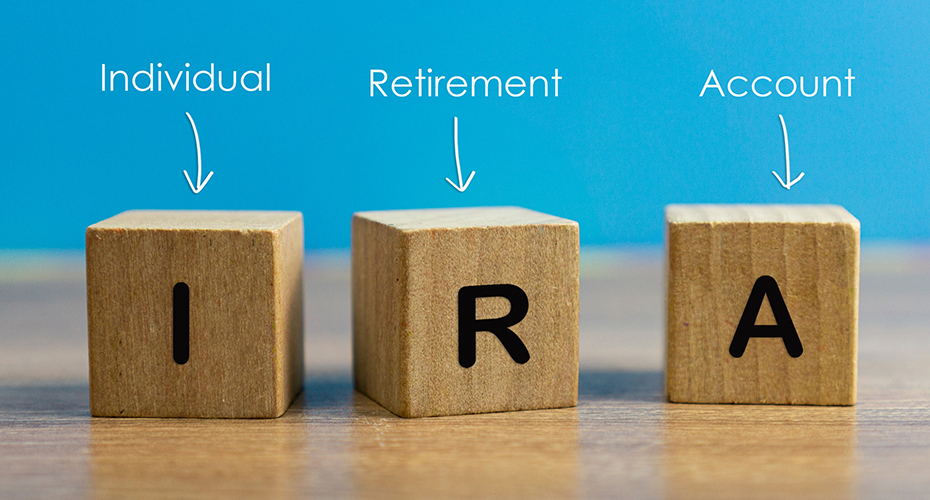
What Is an IRA and How It Works
An Individual Retirement Account (IRA) is a tax-advantaged account designed to help you save and invest for retirement. With an IRA, your money can grow tax-deferred (Traditional) or tax-free (Roth), depending on the account type and your eligibility. Understanding the basics helps you choose the right structure for your long-term plan.
Why Use an IRA
- Tax advantages: Reduce current taxes (Traditional) or future taxes (Roth).
- Compounding: Earnings can grow without annual tax drag.
- Flexible investing: Access to broad investments (ETFs, mutual funds, bonds, and more).
Traditional vs. Roth IRA
Traditional IRA
- Contributions may be tax-deductible.
- Taxes due on withdrawals in retirement.
- Required minimum distributions (RMDs) apply starting at statutory age.
Roth IRA
- Contributions are after-tax (no deduction).
- Qualified withdrawals are tax-free.
- No RMDs for the original owner.
Eligibility & Contributions (High Level)
- Earned income required: You need eligible compensation to contribute.
- Annual limits: Subject to federal limits that may adjust over time.
- Roth eligibility: Contributions are phased out at higher incomes.
- Deductibility: Traditional IRA deductibility can depend on income and workplace plan coverage.
Investment Choices Inside an IRA
IRAs are account “wrappers” - you still choose the actual investments. A diversified, low-cost mix is generally preferred:
- Broad-market equity ETFs and index funds.
- Investment-grade bonds and bond funds (duration matched to horizon).
- Real assets via REIT funds for income and inflation hedging.
Strategic Considerations
- Asset location: Place tax-inefficient assets (e.g., bonds) in IRAs when possible.
- Roth vs. Traditional: Choose based on current vs. expected future tax bracket.
- Rebalancing: Use IRAs to rebalance without realizing taxable gains.
Withdrawals & Penalties (Overview)
- Early withdrawals may be taxed and penalized unless exceptions apply.
- Roth IRAs: contributions can generally be withdrawn tax- and penalty-free; earnings follow qualified distribution rules.
- Traditional IRAs: ordinary income tax applies to distributions; RMD rules apply at the statutory age.
“The right IRA choice often comes down to taxes - pay them now (Roth) or later (Traditional). Align the decision with your lifetime tax picture.”
FAQs
Can I have both a Traditional and a Roth IRA?
Yes. You can contribute to both in the same year, subject to the combined annual limit and eligibility rules.
What if my income is too high for a Roth IRA?
High earners sometimes use a “backdoor Roth” (non-deductible Traditional contribution followed by conversion). Suitability depends on your tax situation.
Are IRA contributions tax-deductible?
Traditional IRA contributions may be deductible based on income and whether you (or your spouse) are covered by a workplace plan.
Key Takeaway
IRAs are powerful retirement tools. Choosing between Traditional and Roth - and investing with cost discipline and diversification - can meaningfully improve your long-term, after-tax outcomes.
Next Steps
Need help deciding which IRA fits your plan? FinServe Club provides fiduciary guidance on account selection, asset allocation, and tax-aware strategies tailored to your goals.