



What Is a Roth Conversion and When It Makes Sense
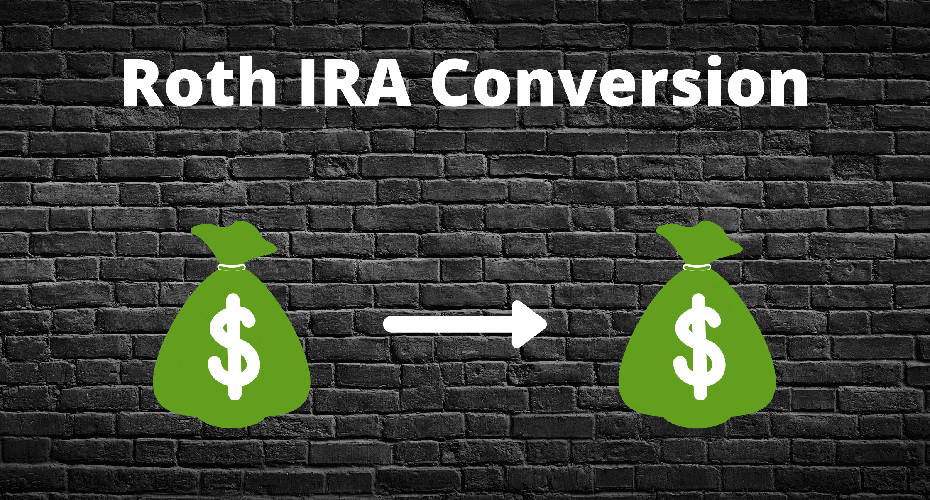
A Roth conversion allows you to move funds from a tax-deferred retirement account (such as a Traditional IRA or 401(k)) into a Roth IRA. While you’ll pay taxes on the converted amount now, the money can then grow tax-free for life. For many investors, it’s a strategic way to manage long-term taxes and build flexibility in retirement.
How a Roth Conversion Works
When you convert, the amount moved from your Traditional IRA or 401(k) is treated as taxable income in that year. The funds then continue growing tax-free in the Roth account, and qualified withdrawals in the future will be completely tax-free.
- Pay income taxes on the conversion amount today.
- Future withdrawals (after age 59½ and 5 years) are tax-free.
- No required minimum distributions (RMDs) during your lifetime.
Why Consider a Roth Conversion
- Tax diversification: Balances pre-tax and tax-free accounts to manage future tax exposure.
- Lower future taxes: Useful if you expect to be in a higher tax bracket later or tax rates rise overall.
- Estate planning: Heirs inherit Roth IRAs tax-free (subject to distribution rules).
- No RMDs: Unlike Traditional IRAs, Roth accounts are not subject to required distributions.
When a Roth Conversion May Be a Good Idea
Not everyone benefits equally. A Roth conversion makes the most sense when:
- You’re in a temporarily low-income year (e.g., between jobs or before Social Security begins).
- Your tax bracket is likely to increase in the future.
- You have non-retirement funds available to pay the conversion tax.
- You want to leave tax-free assets to heirs.
“Roth conversions are a powerful planning tool - but timing and tax awareness are everything. The goal is not to minimize taxes this year, but over your lifetime.”
Potential Drawbacks
- You must pay income tax on the converted amount.
- Large conversions can push you into a higher tax bracket.
- Conversion amounts can impact Medicare premiums or Social Security taxation.
Partial Conversions & Strategies
You don’t have to convert everything at once. Many investors spread conversions over several years to stay within favorable tax brackets.
- Bracket management: Convert just enough each year to avoid higher tax tiers.
- Market timing: Converting during a market dip can reduce the immediate tax bill.
- Coordination with CPA: Always plan conversions with your tax professional.
FAQs
Can I convert part of my IRA to a Roth?
Yes. You can perform partial conversions at any time, allowing for better control over annual tax exposure.
How often can I do a Roth conversion?
There’s no annual limit on conversions, but each one adds to your taxable income for that year - so timing matters.
Can I undo a Roth conversion?
No. Since 2018, “recharacterizations” (undoing a conversion) are no longer allowed, so plan carefully before converting.
Key Takeaway
A Roth conversion can create long-term tax freedom, but it’s not one-size-fits-all. The best strategy balances current taxes, future income needs, and estate goals.
Next Steps
Interested in evaluating whether a Roth conversion fits your retirement plan? FinServe Club helps clients model scenarios, estimate tax impacts, and build multi-year conversion strategies with precision and care.