



Inflation and Retirement: How to Protect Your Purchasing Power
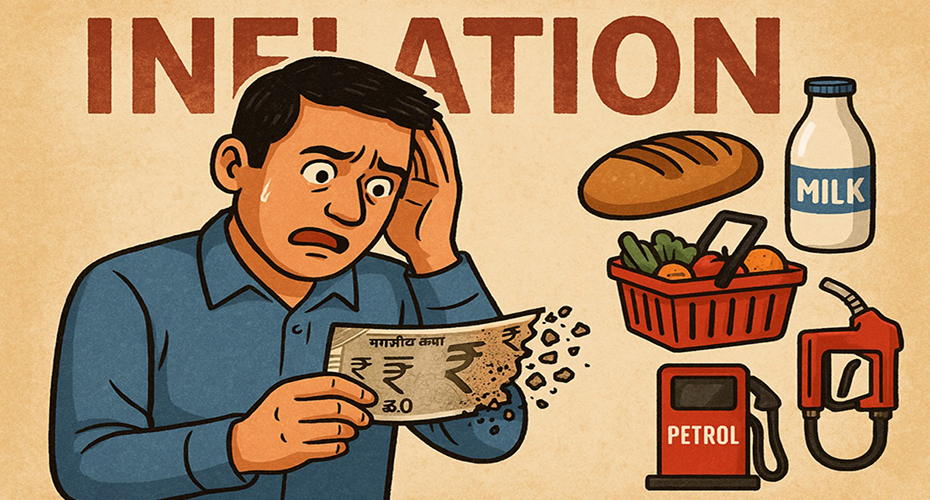
Inflation quietly erodes your retirement savings over time - reducing the real value of your income and assets. Whether you’re already retired or planning ahead, building inflation protection into your portfolio is crucial for long-term financial stability.
Why Inflation Matters in Retirement
Even modest inflation adds up. At just 3% annual inflation, your purchasing power is cut in half over 24 years. Since retirees often live on fixed incomes, rising prices for essentials like food, healthcare, and housing can strain budgets over time.
Example: $5,000 in monthly expenses today could require over $9,800 in 25 years with 3% inflation.
How Inflation Affects Different Income Sources
- Pensions: Many private pensions don’t adjust for inflation, meaning their real value declines.
- Social Security: Benefits include cost-of-living adjustments (COLAs), but they may not fully match inflation.
- Investments: Bonds and cash may lose value in real terms, while equities and real assets tend to keep pace over time.
Strategies to Combat Inflation
- Diversify across asset classes: Include equities, bonds, and real assets to balance growth and stability.
- Invest in TIPS: Treasury Inflation-Protected Securities rise with the Consumer Price Index (CPI).
- Maintain equity exposure: Stocks historically outperform inflation over long periods.
- Consider real assets: Real estate, REITs, and commodities can act as inflation hedges.
- Tax efficiency: Optimize withdrawals and asset location to reduce erosion from taxes and inflation combined.
The Role of Equities in Inflation Defense
While stocks can be volatile in the short term, they historically generate real returns above inflation. Dividend-paying companies and value-oriented sectors often perform better in inflationary environments, providing both growth and income potential.
Real Assets and Alternatives
Adding exposure to tangible or inflation-linked assets can provide an additional buffer:
- REITs: Real estate income often adjusts with inflation.
- Commodities: Energy and materials tend to rise when prices do.
- Infrastructure funds: Many contracts include inflation-linked revenue clauses.
“Inflation is not a short-term threat - it’s a long-term certainty. The best defense is a diversified, disciplined portfolio that grows faster than prices rise.”
Managing Spending During Inflation
- Prioritize essential spending and reduce discretionary expenses temporarily.
- Use the “bucket strategy” - short-term cash for 1–2 years of expenses, longer-term investments for growth.
- Revisit withdrawal rates and rebalance annually to stay aligned with market conditions.
FAQs
What’s a safe withdrawal rate during high inflation?
The classic 4% rule may need adjustment. Many retirees temporarily reduce withdrawals to 3.5% or less during inflationary periods to preserve longevity of assets.
Are bonds still useful when inflation is high?
Yes, especially short-duration bonds and inflation-protected securities. They provide stability and predictable income, though returns may lag equities.
Should I hold more cash during inflation?
Cash provides short-term safety but loses value quickly during inflation. Keep only 1–2 years of spending needs in cash and invest the rest strategically.
Key Takeaway
Inflation is a lifelong force - not a temporary event. The best approach is proactive: diversify investments, protect income sources, and align withdrawals with market and price trends.
Next Steps
Want to know if your retirement plan is inflation-proof? FinServe Club can help you model real-return scenarios and design a resilient income strategy that keeps up with rising costs.